


Crypto Investing vs Trading: What’s Better?
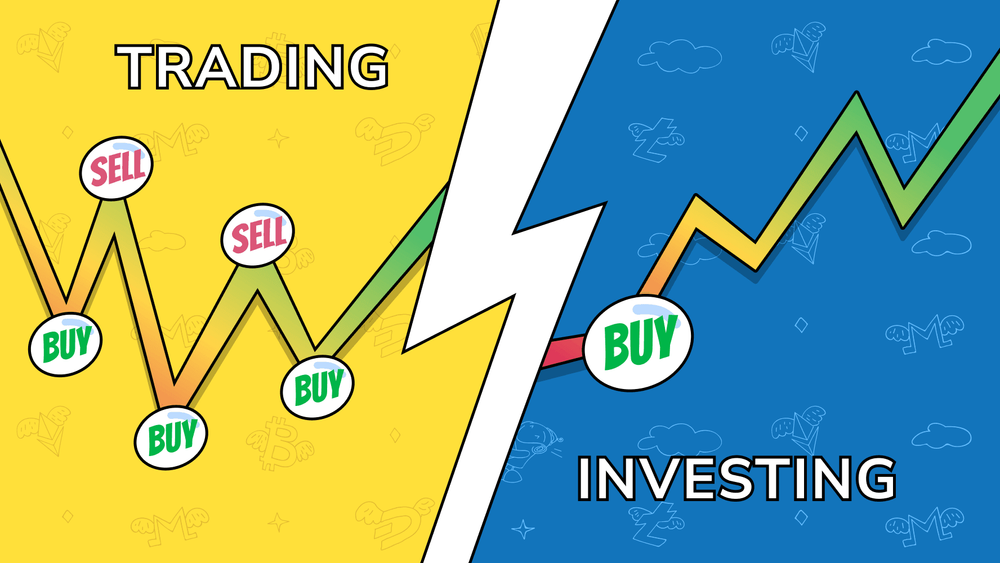
Most people enter crypto without making a clear choice. They buy something, watch the price move, panic a little, feel hopeful again, and somewhere along the way start calling it either “investing” or “trading”, depending on how it goes.
Investing and trading are very different things. Mixing them up is one of the easiest ways to lose money in crypto.
How Investing Usually Starts
Investing in crypto usually begins with a simple belief. That a particular asset will still matter a few years from now. Investors are less concerned with what happens this week and more focused on whether the project survives, grows, and stays relevant.
Most long-term investors are not glued to charts. They might check prices occasionally, but they are not reacting to every dip. What they care about is usage. Are people still using the network? Are developers still building? Does the asset still serve a purpose?
Bitcoin and Ethereum tend to show up in most long-term portfolios for this reason. They are not exciting in the way smaller tokens can be, but they have staying power. Over time, that matters more than short bursts of performance.
Investing sounds easy, but it has its own challenges. Holding through long drawdowns tests patience. Watching prices fall for months without doing anything feels uncomfortable. Many people give up right before markets turn simply because they get tired of waiting.
What Trading Actually Feels Like
Trading is very different in practice from how it looks on social media. It is not just about spotting patterns or reading indicators. It is about making decisions under pressure, repeatedly.
Traders focus on short-term price movement. They look for entries, exits, momentum, and liquidity. Sometimes the trade lasts hours. Sometimes minutes. The feedback is immediate. Wins feel rewarding. Losses feel personal.
The biggest challenge with trading is not the strategy. It is discipline. Markets do not always behave logically, and crypto markets are especially unpredictable. One sudden move can invalidate a setup completely.
In India, trading also comes with practical friction. Every profitable trade is taxed. Losses cannot be adjusted. The 1% TDS adds another layer of complexity. On paper, a trading strategy may look profitable. After taxes, the picture often changes.
Trading also demands time. Prices move at odd hours. News breaks overnight. Volatility does not wait for convenient moments. Many people underestimate how exhausting this can be over long periods.
The Risk Is Not the Same
Investing spreads risk over time. You are exposed to market cycles, but you are not forced to act constantly. Volatility is part of the experience, not a signal to do something every time.
Trading concentrates risk. A few bad decisions, or one emotional reaction, can wipe out weeks of progress. This is why even experienced traders go through losing phases.
Neither approach is risk-free. They just demand different kinds of control. Investing tests patience. Trading tests emotional discipline.
Why Taxes Matter More Than People Admit
Crypto taxes in India have quietly shaped behaviour. Frequent trading creates frequent taxable events. Even small profits add up to a significant tax burden over time.
Long-term investors are not spared, but they face fewer decisions and fewer taxable moments. That difference becomes important as activity increases.
Many new participants ignore this reality early on. They only realise it later, when returns look smaller than expected.
Time Is the Real Cost
People often assume trading saves time because profits come faster. In reality, trading consumes attention. Successful traders review charts, track performance, and constantly adjust to changing conditions.
Investing requires less daily involvement, but it still demands periodic review. Projects change. Markets evolve. Long-term does not mean hands-off forever.
The real question is how much mental energy you are willing to spend.
Why Most People End Up Doing Both
Over time, many market participants stop thinking in terms of either-or. They divide their capital instead.
One part is set aside for long-term holdings. Assets they believe in, held with patience. Another, smaller part is used for selective trading when opportunities appear.
This approach only works when boundaries are clear. Problems start when people trade with their investment capital or invest with their trading mindset. Confusion leads to impulsive decisions.


So What Actually Works Better?
There is no universal answer. Investing suits people who prefer stability, have limited time, and do not enjoy constant decision-making. Trading suits those who can stay disciplined, accept losses calmly, and commit attention consistently.
What matters more than strategy is self-awareness. Many losses in crypto come from doing something that does not match your temperament.
A Simple Way to Decide
If watching price swings makes you anxious, trading will likely be stressful. If you struggle to sit through long periods of inactivity, investing may feel frustrating.
Crypto rewards patience more often than speed. In a market that never shuts down, knowing when to step back is a skill in itself.
In the end, staying in the market long enough to learn usually matters more than choosing the perfect approach on day one.
Disclaimer: Crypto products and NFTs are unregulated and can be highly risky. There may be no regulatory recourse for any loss from such transactions. Please do your own research before investing and seek independent legal/financial advice if you are unsure about the investments.
Updated on: 9th February, 2026 2:59 PM


FAQ's
1: What is the difference between crypto investing and trading?
Crypto investing focuses on holding assets long term, while trading involves frequent buying and selling to profit from short-term price movements.
2: Is crypto trading better than investing in India?
For most Indian users, investing is often more practical due to lower tax friction, fewer trades, and reduced emotional stress compared to active trading.
3: How do crypto taxes affect trading vs investing?
In India, both are taxed at 30% on profits, but trading creates more taxable events and is impacted more by the 1% TDS on every sell.
4: Can beginners start with crypto trading instead of investing?
Beginners usually find investing easier, as trading requires discipline, time, risk management, and emotional control under volatility.
5: Is it safe to do both crypto investing and trading?
Yes, many users split capital between long-term investments and limited trading, as long as boundaries are clearly defined.


