


Hot wallet vs cold wallet: Which is safer?
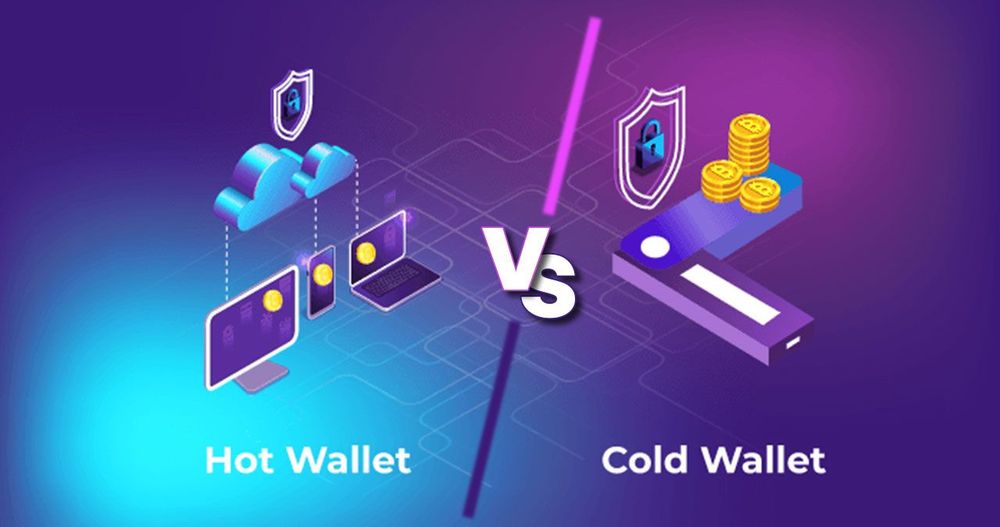
If you have started investing in crypto, you have probably heard the saying, ‘Not your keys, not your coins.’ It highlights one of the most important aspects of crypto investing, which is how you store your digital assets.
Unlike money in a bank account, cryptos are stored in digital wallets. These wallets don't actually hold your coins. Instead, they store the private keys that give you access to your crypto on the blockchain.
There are two main types of crypto wallets: hot wallets and cold wallets. Both have their advantages and disadvantages. Choosing the right one depends on how you use your crypto and how much security you need.
What is a crypto wallet?
A crypto wallet is a software application or physical device that stores the private keys needed to access your digital assets.
Every wallet has two important components:
Public key: This works like an account number. You can safely share it with others to receive crypto.
Private key: This proves ownership of your crypto. Anyone who has access to your private key can access your funds. It should always be kept confidential.
Keeping your private key secure is one of the most important responsibilities of every crypto investor.
What is a hot wallet?
A hot wallet is a crypto wallet that is connected to the internet.
Hot wallets are available as mobile apps, desktop applications, browser extensions, and exchange wallets. Because they remain online, they allow users to access their crypto quickly whenever they need it.
Most beginners start with a hot wallet because it is simple to set up and easy to use.
Advantages of a hot wallet
Hot wallets are popular for several reasons.
Easy access: You can send, receive, or trade cryptos within seconds.
Convenient for regular trading: If you buy and sell crypto frequently, a hot wallet makes transactions quick and simple.
Supports many cryptos: Most hot wallets support multiple cryptos and blockchain networks in a single application.
Risks of a hot wallet
Since hot wallets are connected to the internet, they are more exposed to cyber threats.
Hackers may attempt to steal private keys through phishing websites, fake wallet apps, malware, or social engineering attacks.
However, this does not mean hot wallets are unsafe. Reputable wallet providers include several security features, but users must also follow good security practices.
Using strong passwords, enabling two-factor authentication, and avoiding suspicious websites can significantly improve wallet security.
What is a cold wallet?
A cold wallet stores your private keys offline.
Since it is not continuously connected to the internet, it is much harder for hackers to gain remote access.
The most common type of cold wallet is a hardware wallet. It looks similar to a small USB device and stores your private keys securely.
When you want to send crypto, you connect the hardware wallet to your computer or mobile phone, approve the transaction, and disconnect it once the transaction is complete.


Advantages of a cold wallet
Cold wallets are widely used by investors who plan to hold crypto for the long term.
Better protection: Keeping private keys offline greatly reduces the risk of online attacks.
Suitable for large holdings: Many long-term investors store most of their crypto in a cold wallet instead of keeping everything online.
Greater control: You remain in complete control of your private keys without depending on an online platform.
Risks of a cold wallet
Cold wallets also have limitations.
If the device is lost, damaged, or stolen and the recovery phrase is unavailable, the crypto cannot be recovered.
The recovery phrase should always be stored safely in an offline location. Anyone with access to it can restore the wallet and gain access to the funds.
Cold wallets are also less convenient for users who trade every day because they require additional steps before each transaction.
Hot wallet vs cold wallet
The biggest difference between the two is internet connectivity.
A hot wallet remains connected to the internet and is designed for convenience. It allows users to access their crypto quickly but has greater exposure to online threats.
A cold wallet keeps private keys offline. This provides stronger protection but makes it less convenient for frequent transactions.
Both wallets serve different purposes, and many investors use them together.
Which wallet is safer?
From a security perspective, cold wallets are generally considered safer because private keys remain offline.
However, the safest wallet also depends on how you use crypto.
If you trade regularly, using only a cold wallet may become inconvenient because you need to connect the device each time you want to move funds.
On the other hand, keeping your entire portfolio in a hot wallet may expose more of your holdings to online risks.
Many experienced investors keep a small amount of crypto in a hot wallet for daily transactions while storing the majority of their holdings in a cold wallet.
Best practices for wallet security
Regardless of which wallet you choose, following basic security practices is essential.
- Never share your private key or recovery phrase.
- Enable two-factor authentication wherever available.
- Download wallet applications only from official websites or app stores.
- Verify wallet addresses carefully before sending crypto.
- Beware of phishing emails, fake websites, and scam messages.
- Store your recovery phrase securely in an offline location.
- Keep wallet software updated to receive the latest security improvements.
These simple steps can help reduce the risk of losing your digital assets.
Which wallet should beginners use?
For someone new to crypto, starting with a trusted exchange wallet or a reputable hot wallet is often the easiest option.
It allows you to learn how crypto transactions work without purchasing additional hardware.
As your investments grow, you may decide to move a larger portion of your holdings to a cold wallet for additional protection.
Using both types of wallets is a common approach among experienced investors because it provides a balance between convenience and security.
Conclusion
Hot wallets and cold wallets both play an important role in crypto storage.
A hot wallet offers speed and convenience, making it suitable for trading and everyday transactions. A cold wallet provides stronger protection by keeping private keys offline, making it a better choice for long-term storage.
Neither wallet is perfect for every situation. The right choice depends on how often you use your crypto, how much you own, and the level of security you need.
For many investors, using a hot wallet for regular transactions and a cold wallet for long-term holdings provides the right balance. Understanding the differences between the two is an important step towards keeping your crypto safe.
Disclaimer: Crypto products and NFTs are unregulated and can be highly risky. There may be no regulatory recourse for any loss from such transactions. Please do your own research before investing and seek independent legal/financial advice if you are unsure about the investments.
Updated on: 21st August, 2026 3:20 PM


FAQ's
1. What is the main difference between a hot wallet and a cold wallet?
A hot wallet is connected to the internet and provides quick access to crypto, while a cold wallet stores private keys offline. Hot wallets focus on convenience, while cold wallets generally provide stronger protection against online threats.
2. Is a cold wallet safer than a hot wallet?
Cold wallets are generally considered safer for long-term crypto storage because private keys remain offline. However, users must securely protect the device and recovery phrase to avoid losing access to their assets.
3. Are hot wallets safe for storing crypto?
Hot wallets can be suitable for regular transactions when proper security measures are followed. Users should enable two-factor authentication, use strong passwords, avoid suspicious links and never share private keys or recovery phrases.
4. Which crypto wallet is better for beginners?
A reputable hot wallet or trusted exchange wallet can be easier for beginners because it provides convenient access to buying, selling and transferring crypto. As users become more experienced, they may consider cold storage for assets intended to be held for longer periods.
5. Can I use both a hot wallet and a cold wallet?
Yes. Many crypto users use both. A hot wallet can be used for assets needed for regular trading or transactions, while a cold wallet can be used for longer-term storage.


