


How Bitcoin Leverage Trading Works (With Example)
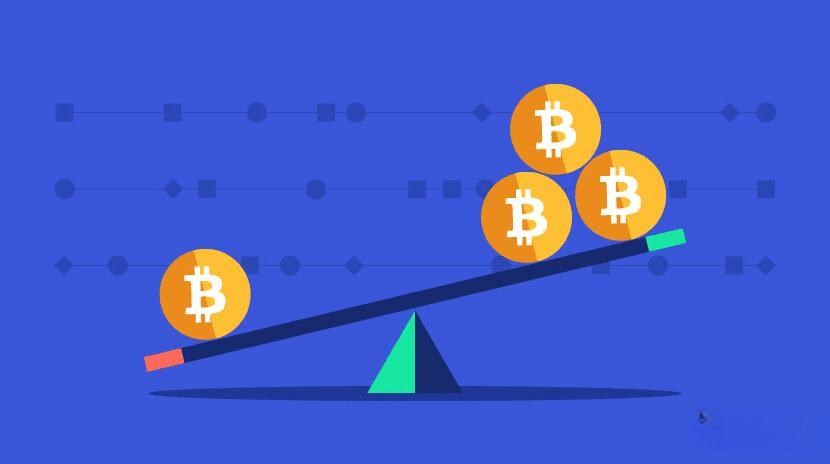
Bitcoin trading has evolved far beyond simple buying and selling. Today, many traders use leverage trading to increase their potential profits in the cryptocurrency market. While leverage can amplify gains, it can also increase the risk of losses. Understanding how Bitcoin leverage trading works is essential before using it.
In this article, we will explain Bitcoin leverage trading in a simple and clear way, along with an example to help beginners understand the concept.
What Is Bitcoin Leverage Trading and How Does It Work?
Bitcoin leverage trading allows traders to open larger trading positions by borrowing funds from a trading platform or exchange. In simple terms, it lets traders control more Bitcoin even if they only have a small amount of their own money.
Leverage is usually shown as a ratio such as 2x, 5x, or 10x. This ratio indicates how much bigger your trading position is compared to your initial investment.
For example:
- 2x leverage – You can trade with twice the money you invest.
- 5x leverage – You can trade with five times your capital.
- 10x leverage – You can control a trade that is ten times your investment.
Bitcoin leverage trading usually works through a margin system. Traders must first deposit a certain amount of money called margin, which acts as collateral for the trade. The trading platform then provides additional funds based on the leverage chosen by the trader.
Here is how the process generally works:
- The trader deposits funds into a trading account as margin.
- The trading platform provides extra funds based on the selected leverage level.
- The trader opens a long position if they expect the price of Bitcoin to rise, or a short position if they expect the price to fall.
- If the market moves in the trader’s favor, the profits are multiplied based on the leveraged position.
- If the market moves against the trader, the losses also increase.
If the losses reach a certain limit, the trading platform may automatically close the position to prevent further losses. This is known as liquidation.
Because leverage increases both potential profits and risks, traders should use it carefully and make sure they understand how it works before trading.
Also read: What Is Leverage in Futures Trading? Giottus Explains
Long and Short Positions
Bitcoin leverage trading allows traders to profit from both rising and falling markets.
Long Position:
A trader opens a long position when they expect the price of Bitcoin to increase.
Short Position:
A trader opens a short position when they expect the price of Bitcoin to decrease.
This flexibility is one reason why leverage trading is popular among active traders.
Example of Bitcoin Leverage Trading
Let’s look at a simple example to understand how leverage works.
Suppose a trader has $1,000 and decides to trade Bitcoin using 10x leverage.
With 10x leverage, the trader can open a position worth $10,000.
When the Price Increases:
If the price of Bitcoin increases by 5%, the $10,000 position gains $500.
Since the trader only invested $1,000, the profit becomes $500, which is a 50% return on the original investment.
When the Price Decreases:
If the Bitcoin price drops by 5%, the position loses $500.
This means the trader loses half of their $1,000 investment. If the price falls further, the position could be liquidated to prevent additional losses.
This example shows how leverage can magnify both profits and losses.
Risks of Bitcoin Leverage Trading
While leverage trading can increase profit potential, it also comes with significant risks. Traders should be aware of these risks before using leverage.
1. Liquidation Risk
If the market moves sharply against your position, the trading platform may automatically close your trade.
2. High Volatility
Bitcoin prices can change quickly, which makes leveraged positions more risky.
3. Over-Leveraging
Using very high leverage increases the chances of losing your entire margin.
4. Emotional Trading
Fast market movements may cause traders to make impulsive decisions.


Essential Tips for New Bitcoin Leverage Traders
If you are new to Bitcoin leverage trading, consider the following tips:
- Start with low leverage
- Use stop-loss orders to limit losses
- Never invest more than you can afford to lose
- Learn how liquidation works before trading
- Practice with small positions first
These steps can help reduce risk and improve trading discipline.
Conclusion
Bitcoin leverage trading can be a powerful tool for traders who want to increase their market exposure with a smaller amount of capital. However, it is important to understand how leverage works and the risks involved before using it.
For beginners, focusing on the basics, using lower leverage, and practicing proper risk management can make a big difference. When used carefully, leverage trading can become a useful strategy to navigate the fast-moving cryptocurrency market. Platforms like Giottus offer a user-friendly way to get started with Bitcoin leverage trading safely.
Disclaimer: Crypto products and NFTs are unregulated and can be highly risky. There may be no regulatory recourse for any loss from such transactions. Please do your own research before investing and seek independent legal/financial advice if you are unsure about the investments.
Updated on: 20th March, 2026 1:47 PM


FAQ's
1. What is Bitcoin leverage trading in simple terms?
Bitcoin leverage trading allows you to trade with more money than you have by borrowing funds, which increases both potential profits and losses.
2. How does leverage work in crypto trading?
Leverage multiplies your trading position. For example, with 10x leverage, you can control ₹10,000 worth of Bitcoin with just ₹1,000.
3. Is Bitcoin leverage trading safe for beginners?
Leverage trading is risky for beginners because losses can happen quickly. It is better to start with low leverage and small amounts.
4. What is liquidation in Bitcoin trading?
Liquidation happens when your losses reach a certain limit, and the exchange automatically closes your position to prevent further loss.
5. Can you lose all your money in leverage trading?
Yes, if the market moves against your position, you can lose your entire invested margin, especially when using high leverage.


