


How Multi-Language Support Helps Indian Crypto Users?
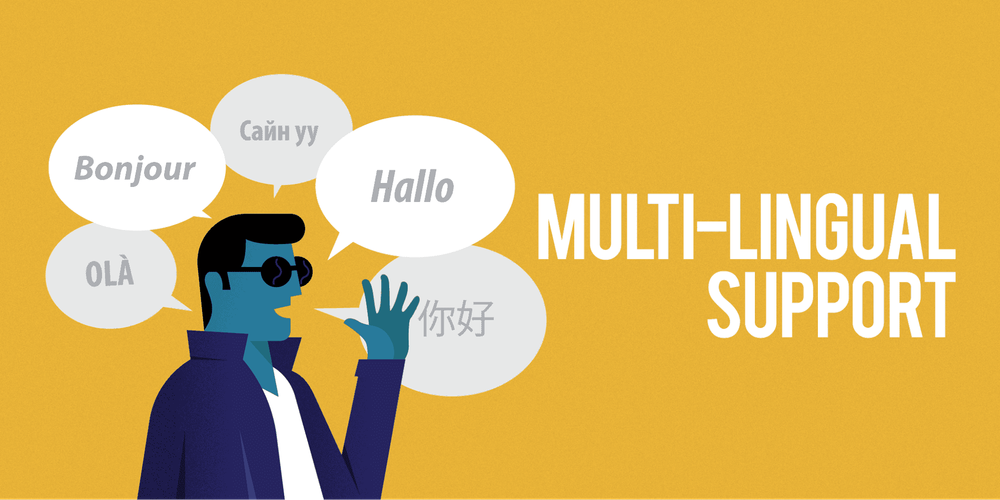
Crypto is fun, but it can also be very confusing. You open an app, see prices jumping like crazy, coins you barely recognize, and you just want to trade without messing up. Now imagine trying to do all that in a language you don’t really understand. Headache, right? That’s why multi-language support is a big deal for Indian crypto users.
India isn’t a one-language country. It’s a hundred. Hindi, Tamil, Telugu, Bengali, Marathi, Gujarati… and the list goes on. English works for some, mostly metro traders, but there’s a huge chunk of people who feel more comfortable in their mother tongue. If platforms only work in English, they’re basically cutting out millions of users before they even start.
Think about someone in Lucknow or Kochi trying to place a trade. They see an alert or a guide in English, have to translate it in their head, and worry if they understood correctly. One wrong click in crypto can be costly. Multi-language support takes away that stress. Suddenly, trading doesn’t feel scary; it feels doable.
And it’s not just translating words. Crypto has its own weird jargon, such as staking, yield farming, liquidity pools, lending… a lot of it doesn’t really translate cleanly. The platforms that explain this stuff in local terms, with examples that Indian users get, aren’t just translating, but they’re teaching. And honestly, in crypto, learning fast is half the battle.


Beginners need this the most. Most first-time users aren’t finance pros. Maybe they’ve used Paytm or UPI, but trading crypto is a different game. Reading guides, alerts, and instructions in your own language suddenly makes everything make sense. Staking a token, checking balances, and transferring funds, it stops feeling scary and starts feeling doable.
Then there’s speed. Prices move fast. If you’re pausing to translate in your head, the market has already moved. Multi-language alerts let users act instantly. Buy, sell, move funds, without thinking twice. In crypto, a second can make a difference.
If something goes wrong, such as a failed deposit, a KYC glitch, or a stuck transfer. Trying to explain that to customer support in English when you’re panicking sounds like a nightmare. Support in your language makes it simple and builds trust. Users feel the platform actually cares.
Security matters too. Scams are everywhere. Phishing, fake links, messages pretending to be official, it’s all out there. Users understand warnings better when they’re in a language they understand. Multi-language support isn’t just convenient, it protects your money.
It’s also about inclusion. Crypto isn’t just for metros anymore. Tier-2 and tier-3 cities are catching up fast. Multi-language support lets platforms reach these millions of users. Suddenly, crypto isn’t “only for the city”, but it’s for everyone.
It also keeps users engaged. People who can navigate confidently are more likely to explore staking, lending, NFTs, or token launches. Those who struggle with English? Many try once, get confused, and quit. Multi-language support isn’t just a nice feature; it’s smart business.
And it’s not just text. Push notifications, emails, video tutorials, and even short animations make a huge difference in local languages. One quick video in Tamil explaining staking can do more than a long English article.
There’s also the ripple effect. Users who understand crypto in their language teach friends, relatives, and community members. Word spreads faster, adoption grows naturally.
Finally, trust. Crypto can feel intimidating, but when instructions, guides, and alerts are in a familiar language, users feel, “Okay, I get this. I can do this.” In a country as diverse as India, that reassurance matters a lot.
So here’s the takeaway: multi-language support isn’t just a feature but a bridge. It connects people to crypto safely, helps them act quickly, educates them properly, and brings more users into the ecosystem. Platforms that ignore it leave millions behind. Platforms that embrace it? They build loyal, confident communities. Platforms like Giottus are already thinking in this direction as they support multiple Indian languages, making crypto trading accessible, simple, and comfortable for everyone, whether you’re in Chennai, Patna, or Kochi.
If you’re trading in India, check which apps support your language. Comfort, confidence, and speed go way up in the user experience scorecard. And if you’re recommending or building platforms, remember this: the more languages you support, the more people you empower. Crypto isn’t just tech, it’s people. And in India, language is the bridge.
Disclaimer: Crypto products and NFTs are unregulated and can be highly risky. There may be no regulatory recourse for any loss from such transactions. Please do your own research before investing and seek independent legal/financial advice if you are unsure about the investments.
Updated on: 12th February, 2026 5:57 PM


FAQ's
1: Why is multi-language support important in crypto trading?
Multi-language support helps users understand trading steps, security alerts, and platform features clearly, reducing mistakes and improving confidence.
2: Are there crypto apps in India available in Hindi or regional languages?
Yes, some Indian crypto exchanges offer support in languages like Hindi, Tamil, and Telugu to make trading more accessible.
3: Does language support make crypto trading safer?
Yes. Understanding alerts, KYC instructions, and security warnings in your preferred language reduces the risk of errors and scams.
4: Can beginners trade crypto more easily with regional language support?
Absolutely. Vernacular guides and tutorials simplify complex crypto terms, making it easier for beginners to learn and trade confidently.
5: How does multi-language support improve crypto adoption in India?
Regional language access helps traders in tier-2 and tier-3 cities participate comfortably, increasing overall crypto adoption in India.


