


How to Pay With Cryptocurrency: A Practical Guide for Everyday Users
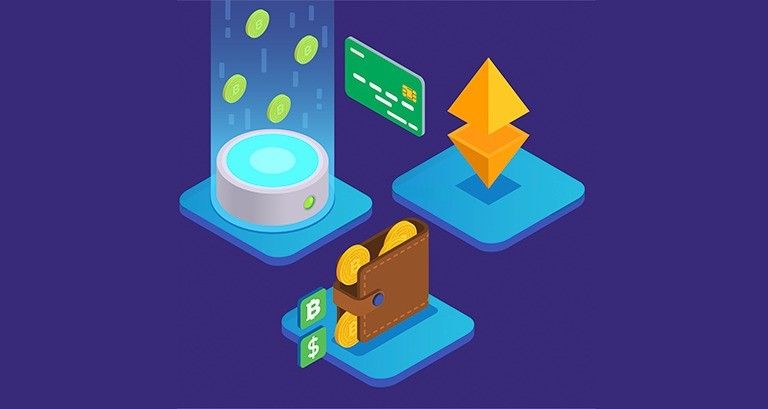
Cryptocurrency has slowly moved from being a niche investment to something people can actually use in real life. You can book a trip, shop online or even pay a freelancer sitting in another country, all using digital currency. If you have never tried paying with crypto before, the idea might feel far-fetched at first. However, it is not as complex as it seems and once you understand a few basics, the process becomes surprisingly straightforward.
This blog breaks down how crypto payments work, where you can use them and what you should keep in mind before hitting the Send button for the first time.
Why People Use Cryptocurrency for Payments
People are turning to crypto for everyday payments for simple reasons. It moves directly from one person to another without involving a bank, which usually means faster transfers and fewer extra charges. It also works the same way whether you are sending money within India or abroad. Many users prefer this convenience because traditional payment systems often involve delays or high conversion fees.
Businesses also benefit. Accepting crypto can help them reach global customers and receive payments quickly without waiting for bank settlement cycles.
Where You Can Pay With Cryptocurrency
The number of places accepting digital assets keeps growing every year. Some of the common categories include:
Online stores
Several international shopping platforms now allow users to pay with Bitcoin or stablecoins. Many do this through a payment processor that instantly converts crypto to local currency.
Travel bookings
Some airlines, hotel platforms and travel apps have added crypto as a payment option. For frequent travelers, this avoids the hassle of currency exchange.
Restaurants and small shops
A few restaurants and offline stores in major cities offer QR-based crypto payments. These work almost like scanning a UPI code, just with a crypto wallet instead.
Digital services and subscriptions
Gaming platforms, VPN providers and online software tools often accept digital currencies because they operate globally.
Peer to peer transfers
Sending money to a friend or paying a freelancer abroad is one of the most common real world applications of crypto.
How Crypto Payments Actually Work
Crypto payments follow a simple idea. You use your wallet to send a digital asset to someone else's wallet address. The transaction is then verified by the blockchain and once confirmed, the receiver gets the amount.
There are three common ways this process works:
1. Direct wallet payments
You scan a QR code or enter a wallet address, type the amount and confirm. This works best when the merchant accepts crypto directly.
2. Payment gateways
Some businesses rely on crypto payment processors. You pay using your wallet but the merchant receives the equivalent amount in their local currency.
3. Crypto cards
Certain platforms provide prepaid or debit like cards funded by crypto. When you pay, the crypto converts to regular currency in the background.


Making Your First Crypto Payment
If you are new to using crypto for payments, start with a small transaction. Here is what the process usually looks like:
Step 1: Pick the asset
Stablecoins like USDT and USDC are popular for payments because their value stays steady. But you can also pay with Bitcoin or other supported coins.
Step 2: Check the network
This step is extremely important. The merchant may ask you to send funds on ERC20, TRC20 or BEP20. Sending to the wrong chain might lead to a loss, so double check.
Step 3: Open your wallet
Use your exchange wallet or any external wallet app you trust. Look for the Send or Transfer option.
Step 4: Scan or copy the address
Most merchants provide a QR code. Scanning helps avoid typing mistakes.
Step 5: Review the details
Your wallet will show the network fee and the amount being sent. Make sure everything looks correct.
Step 6: Confirm the payment
Once you approve, your transaction goes to the blockchain. You can track it using the transaction ID.
Step 7: Wait for confirmation
Some networks take a few seconds and others a few minutes. After confirmation, the payment is complete.
Safety Tips Before Sending Crypto
Crypto payments are convenient but they cannot be reversed once sent. A quick checklist can protect you from common mistakes.
Always verify the address
Check the first and last few characters of the address to ensure it matches.
Confirm the network
Many people confuse ERC20, TRC20 and BEP20. Take a second to confirm both the asset and the chain.
Avoid pressure based requests
If someone pushes you to pay urgently, step back and recheck everything.
Use secure wallets
A good wallet ensures your private keys and funds stay safe.
Check network fees
During busy times, fees may be higher. If your payment is not urgent, you can wait.
Why Crypto Payments Are Becoming More Common
Crypto payments are slowly becoming a part of everyday conversations. Wallets have become easier to use, networks have become faster and people now have a clearer idea of how digital money works. Stablecoins have helped the most because you can pay someone without worrying about the price suddenly changing.
In India, people mostly use crypto for online services or for sending money abroad. The rules around this space are still developing, but the technology has already shown that it solves real problems. Many first-time users start by buying or transferring a small amount on an exchange they trust, like Giottus, and over time they become more comfortable using crypto for simple payments too.
You don’t need deep technical knowledge to pay with crypto. Once you get the hang of wallet addresses, networks and basic safety steps, it feels almost as easy as any other digital payment. It’s always a good idea to try a small test transaction first. It builds confidence and helps you understand how the system works.
As more people adopt crypto, using digital currency for payments may soon feel as normal as online banking or UPI. Learning about it now gives you a small head start and helps you see the real benefits behind all the noise.
Disclaimer: Crypto products and NFTs are unregulated and can be highly risky. There may be no regulatory recourse for any loss from such transactions. Please do your own research before investing and seek independent legal/financial advice if you are unsure about the investments.
Updated on: 22nd December, 2025 2:06 PM


