


Meme Coin Investing: Risks Every Trader Must Know
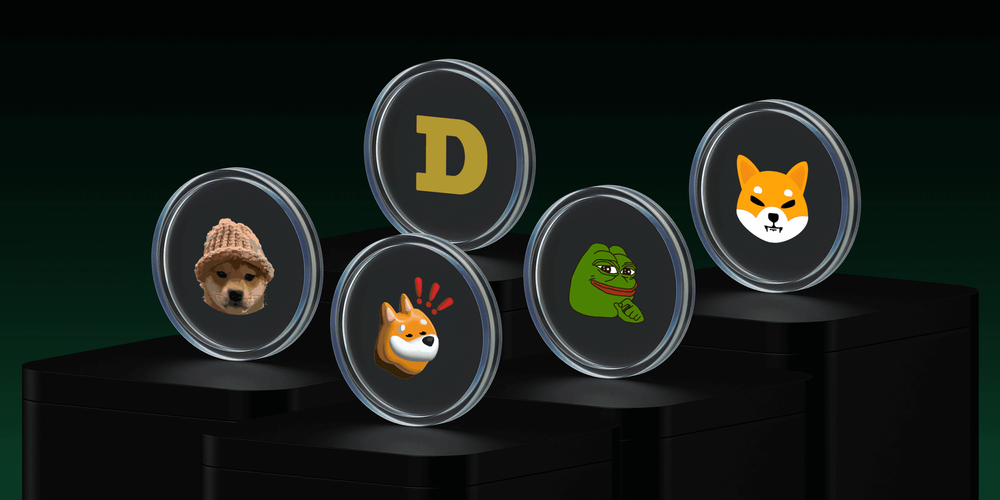
If you’ve spent any time in the crypto world, you’ve definitely come across meme coins. They show up on Twitter trends, Telegram groups won’t stop talking about them, and suddenly everyone you know seems to be “early” on the next big thing. Many investors do feel the FOMO once or twice. You see a coin go up 200% in a day and think, maybe you should jump in too. But meme coin investing is a different ballgame altogether, and if you don’t understand the risks, it can burn a hole in your pocket very quickly.
Let’s talk honestly about what you’re getting into when you trade meme coins.
What exactly are meme coins?
Unlike Bitcoin or Ethereum, which were built to solve real problems, most meme coins start as jokes or social experiments. They don’t always have a clear use case. Sometimes the whole appeal is the name, the logo, or a viral post. That doesn’t mean they can’t make money. They can, and they do. But it also means their value is driven more by hype than by fundamentals.
And hype, as we know, is a shaky foundation.
Extreme volatility is not a bug, it’s a feature
If you like wild price swings, meme coins will give you exactly that. One morning you wake up and your investment is up 5x. By evening, it’s down 60%. This isn’t rare. It’s normal.
The reason is simple. These coins are mostly driven by social media buzz. One influencer tweet can send prices flying. One negative comment or silence from the community, and the price can crash just as fast. Traditional technical analysis often doesn’t work here because the market is being driven by emotion, not logic.
If you’re someone who checks their portfolio every five minutes, meme coins can mess with your head.
Liquidity can disappear when you need it most
This is a risk people don’t talk about enough. A lot of meme coins have low liquidity. It might look like there’s enough volume when prices are rising, but when the sentiment changes, buyers vanish.
Imagine trying to sell your tokens when everyone else is also trying to exit. You click “sell” and the price just keeps slipping lower. Slippage eats into your profits. Sometimes you can’t even find enough buyers at all.
So while paper profits may look amazing, actually converting those profits into real money can be a very different story.
Pump and dump schemes are everywhere
This is the dark side of meme coins. Groups coordinate to artificially inflate the price of a coin. They promote it aggressively on social media, promising huge returns. Early buyers get in cheap. Then, once enough people pile in, the original promoters quietly sell and walk away with profits.
Everyone else is left holding a bag that’s now worth a fraction of what they paid.
If a coin is being pushed too aggressively, with guaranteed return claims or unrealistic targets, that’s a red flag. No genuine investment needs that kind of hype.
Lack of transparency is a serious problem
Many meme coin projects don’t disclose who the developers are. There’s no roadmap, no whitepaper, and no long-term vision. Sometimes the website itself looks rushed, like it was made overnight.
Without transparency, you have no way to know if the project will even exist next month. The developers might abandon it, or worse, execute a rug pull, draining liquidity and disappearing.
Always remember, if you don’t know who is behind a project or what they plan to build, you’re not investing. You’re gambling.
No real utility means no long-term support
Some meme coins manage to survive beyond the hype phase, but most don’t. Once the excitement dies down, there’s nothing left to sustain interest. Prices slowly bleed, trading volume dries up, and eventually the coin becomes irrelevant.
Compare that with something like Bitcoin, which has a clear narrative as digital gold, or Ethereum, which powers thousands of applications. Meme coins rarely have that backing.
So even if you make money once, repeating that success is hard.
Also read: Memecoins: Major Memes and How Much You Should Invest
Emotional trading can wreck your discipline
Meme coins mess with your psychology. When you see others posting screenshots of huge gains, it’s hard not to jump in late. And when prices start falling, fear kicks in, making you sell at the worst possible time.
This cycle of greed and fear is exhausting. It’s also expensive. Successful trading is boring. Meme coin trading is anything but that.
Regulatory uncertainty adds another layer of risk
Meme coins often operate in grey areas. Since many don’t have clear use cases, they can easily attract regulatory attention. If authorities decide a particular token violates certain rules, exchanges may delist it, killing liquidity overnight.
This is a risk that doesn’t show up on charts, but it can wipe out your investment in a single announcement.


So should you avoid meme coins completely?
Not necessarily. Some traders treat meme coins as short-term speculative plays, not long-term investments. If you do decide to trade them, keep a few rules in mind.
Only invest money you can afford to lose. Seriously. Think of it as entertainment money.
Don’t chase pumps. If a coin has already gone up multiple times in a day, you’re probably late.
Set clear entry and exit points. Decide in advance when you’ll take profits or cut losses, and stick to it.
And most importantly, do your homework. Check liquidity, community activity, and transparency before putting in a single rupee.
In essence, meme coins are exciting. They’re fun to talk about, fun to watch, and sometimes fun to trade. But they’re also one of the riskiest corners of the crypto market.
If you understand the dangers and approach them with caution, they can be a small, controlled part of your trading strategy. If you don’t, they can quickly turn a good month into a financial nightmare.
In crypto, being informed is your biggest edge. And when it comes to meme coins, that edge can be the difference between riding a wave and getting pulled under it.
Disclaimer: Crypto products and NFTs are unregulated and can be highly risky. There may be no regulatory recourse for any loss from such transactions. Please do your own research before investing and seek independent legal/financial advice if you are unsure about the investments.
Updated on: 23rd January, 2026 12:49 PM


FAQ's
1: Are meme coins safe to invest in?
Meme coins are highly risky due to extreme volatility, low liquidity, and lack of fundamentals.
2: Why do meme coins rise and fall so quickly?
Their prices are driven mainly by hype, social media trends, and influencer activity.
3: What is a pump and dump in meme coins?
It is when prices are artificially inflated and early buyers sell, leaving others with losses.
4: Can meme coins be long-term investments?
Most meme coins lack real utility, making long-term growth unlikely.
5: How can traders reduce risks with meme coins?
Invest small amounts, avoid chasing pumps, and set clear entry and exit plans.


