


Top Blockchain Networks to Watch
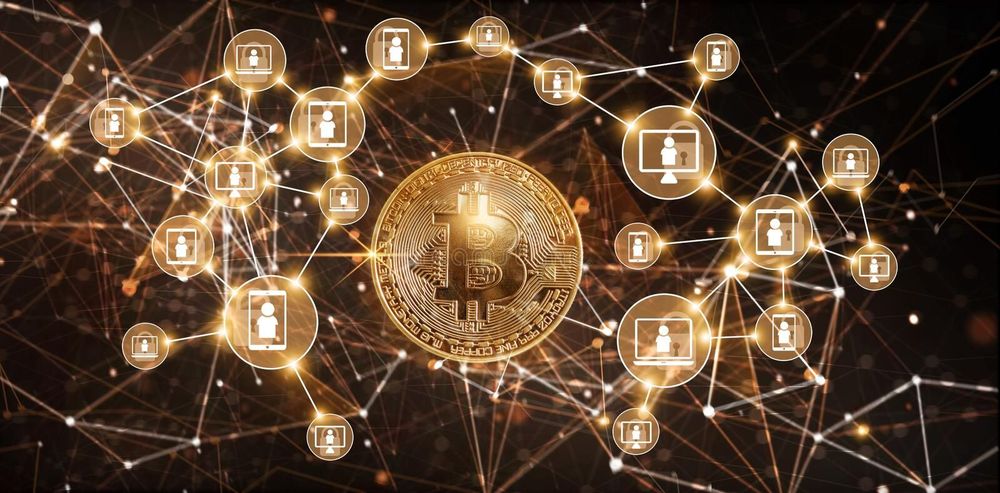
If you’re exploring the world of crypto and blockchain infrastructure, one of the most important things that would cross your mind is: which networks are worth keeping an eye on? With so many blockchains out there, it helps to pick the ones with strong fundamentals, real-world traction and future potential. At Giottus, we believe that knowing the right blockchain networks helps you understand where crypto is going, and where your opportunities may lie.
Let us understand a few blockchain networks that stand out in 2025, what makes each one interesting, and why they’re worth watching.
1. Ethereum (ETH)
Ethereum is one of the most well-known blockchain networks. It’s the main hub for smart contracts and decentralised applications (dApps). Think of it as a big platform where developers can build apps and games that run on the blockchain.
Why Ethereum matters:
- Ethereum has moved to Proof of Stake (PoS), which uses less energy and is more scalable than earlier.
- Layer-2 networks built on Ethereum, like Arbitrum and Optimism, make transactions faster and cheaper.
- Many DeFi apps and NFT marketplaces run on Ethereum, making it a key part of the crypto ecosystem.
For Indian users trading on Giottus, Ethereum-backed tokens are everywhere. Knowing Ethereum helps you understand where most crypto activity happens.
2. Solana (SOL)
Solana is growing quickly because it’s fast and cheap to use. Its network can handle a lot of transactions at once, which is great for apps like games and NFT platforms.
Why Solana is becoming popular:
- Transactions are very quick, which is useful for real-time applications.
- Low fees make it affordable for developers and users.
- It has a growing ecosystem for gaming, NFTs, and finance apps.
If you’re looking for networks that could support “next-gen” apps, Solana could be a good choice.
3. Polygon (MATIC)
Polygon started as a helper for Ethereum. It helps apps run faster and cheaper on Ethereum’s network. Now, it’s a full network in itself, widely used for dApps and small projects.
Why Polygon is popular:
- Works smoothly with Ethereum, so apps can move over easily.
- Transactions cost less, which is helpful for beginners or small investors.
- Good for experimenting with crypto projects without spending a lot on fees.
For someone starting out in India, Polygon is user-friendly and cost-effective.
4. Avalanche (AVAX)
Avalanche is designed to solve some of the main problems blockchains face: speed, security, and decentralisation. It has a special setup that lets developers create their own mini-networks within Avalanche.
Why Avalanche is worth watching:
- Developers can build custom chains for specific projects.
- Analysts see it as a strong Layer-1 blockchain for 2025.
- Offers flexibility and options for Indian developers and investors.
It might not be as famous as Ethereum, but Avalanche is building solid infrastructure for the future.
5. Cardano (ADA)
Cardano is different from most blockchains. It grows slowly but carefully, with a focus on research and governance.
Why Cardano is special:
- Its slow development approach may mean more stability over time.
- Strong community governance makes decisions transparent.
- Good for people who want a solid, long-term network rather than chasing hype.
It’s not a fast-growth chain, but for long-term users and developers, Cardano is worth understanding.
Other networks to keep an eye on
Some newer networks are also gaining attention these days. Arbitrum, Optimism, and Celestia are modular networks that split blockchain tasks to make things faster. Enterprise networks, on the other hand, focus on business and infrastructure rather than public trading. These smaller networks may be riskier but could become important in the future.
How to choose the right network
Here are some simple points to help you pick which blockchain networks to explore:
- Developer activity: Networks with lots of developers usually grow better.
- Transaction speed & fees: Faster, cheaper networks are better if you’re trading small amounts.
- Ecosystem: Look for games, apps, and finance tools built on the network.
- Upgrades & connections: Networks that keep improving and can connect with others are safer long-term.
- Regulation & risk: Make sure you understand how Indian regulations affect the network and tokens.


If you use Giottus to trade or invest, it is important to understand the difference between tokens and the networks they run on. Some other things to keep in mind are as follows:
- A strong network supports stronger tokens.
- Keep an eye on network upgrades that might lower fees or improve speed.
- Diversify across multiple networks to reduce risk.
- Use trusted tools like Giottus to trade safely.
- Stay updated, because blockchain is always evolving.
The blockchain landscape in 2025 is full of opportunity. Networks like Ethereum, Solana, Polygon, Avalanche, and Cardano are shaping the future of crypto. For Indian investors, understanding networks is just as important as knowing tokens.
Strong networks support solid projects, and solid projects drive adoption. By focusing on reliable networks, staying informed, and using platforms like Giottus, you can navigate the crypto space confidently. The future of decentralised apps, finance, and digital assets is here and strong blockchain networks are at the heart of it.
Disclaimer: Crypto products and NFTs are unregulated and can be highly risky. There may be no regulatory recourse for any loss from such transactions. Please do your own research before investing and seek independent legal/financial advice if you are unsure about the investments.
Updated on: 19th December, 2025 2:09 PM


FAQ's
1. Which blockchain network is best?
There is no single best blockchain; Ethereum leads in smart contracts, Bitcoin in security, and networks like Solana and Polygon focus on speed and low fees.
2. What crypto does Elon Musk own?
Elon Musk has stated that he owns Bitcoin (BTC), Ethereum (ETH), and Dogecoin (DOGE).
3. Which AI crypto will boom?
AI crypto projects with real-world use cases, strong development teams, and partnerships have better chances, but outcomes depend on adoption and market conditions.


