


What is Ethereum? A Complete Guide for Indian Investors in 2026
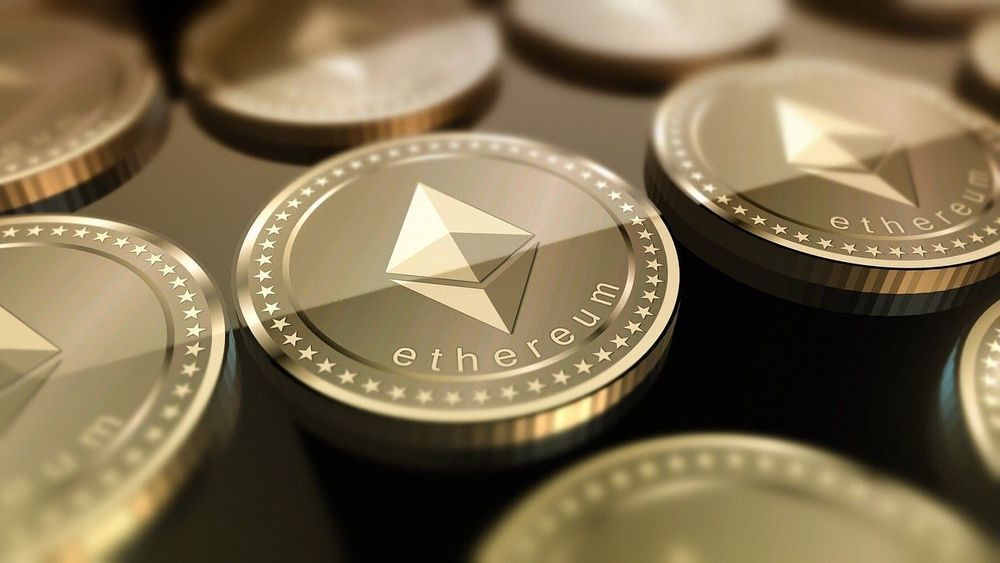
Ethereum crossed ₹2.8 lakh per ETH in early 2026. But the price is almost secondary to what the network has become. It is the backbone of DeFi protocols handling over $150 billion in assets, the settlement layer for NFT marketplaces, and the platform that most Web3 applications are built on.
If you are an Indian investor wondering if ETH belongs in your portfolio, this guide helps. If you are a developer trying to understand Ethereum, it covers the key points you need to know.
Ethereum Is Not Bitcoin: And the Difference Matters
The most common misconception newcomers have is treating Ethereum as ‘Bitcoin with a different name.’ It isn’t. Bitcoin was designed to be digital money, a fixed-supply asset that stores value the way gold does. Ethereum was designed to be a programmable platform, a global computer that can execute code automatically through smart contracts.
Think of it this way. Bitcoin is to digital gold what Ethereum is to digital infrastructure. You can run applications on Ethereum. You can create financial contracts that execute automatically when conditions are met. You can issue tokens, build lending protocols, create marketplaces, all without trusting a central intermediary.
This distinction drives how the two assets behave, why they are valued differently, and which kind of investor each attracts.
What Makes Ethereum Work: Smart Contracts Explained
A smart contract is code stored on the Ethereum blockchain that runs automatically when predefined conditions are met. No bank, court, or third party enforces it, but the blockchain does.
A simple example: You want to bet ₹5,000 with a friend that Bitcoin will be above ₹70 lakh on March 31st. Normally, this requires trust; either party could refuse to pay. A smart contract solves this. Both parties lock ₹5,000 into the contract, the contract checks the Bitcoin price on March 31st from an oracle (a trusted price feed), and automatically releases the funds to the winner. No trust required.
At scale, this logic powers billion-dollar lending protocols (Aave, Compound), decentralized exchanges (Uniswap), stablecoin systems (MakerDAO's DAI), and yield farming strategies.All of this runs on Ethereum’s smart contract layer, and all of it requires ETH to pay transaction fees.
Ethereum's Technical Evolution: From PoW to PoS
In September 2022, Ethereum completed ‘The Merge’, one of the most significant technical events in crypto history. It switched from Proof of Work (mining) to Proof of Stake (staking), reducing Ethereum’s energy consumption by over 99.95%.
Under Proof of Work, miners compete using expensive hardware to validate transactions, which is wasteful and environmentally controversial. Under Proof of Stake, validators lock (stake) their ETH as collateral to participate in transaction validation. They earn rewards for honest validation and lose staked ETH (‘slashing’) for dishonest behavior.
This change had three significant effects. It dramatically reduced Ethereum’s environmental footprint (a concern for ESG-conscious Indian investors). It changed ETH's supply dynamics (the network now burns a portion of fees, often making ETH deflationary). It created a yield mechanism, staking ETH to earn approximately 3-5% annual returns in 2026.
ETH Supply Dynamics (2026): Since The Merge, Ethereum has alternated between inflationary and deflationary periods based on network demand. When transaction fees are high, more ETH is burned than issued, reducing total supply. This ‘ultra-sound money’ narrative is a core bull case for ETH long-term holders.
Ethereum Price History: From $1 to ₹2.8 Lakh
Ethereum launched in 2015 at around $1. It first attracted serious investor attention during the 2017 ICO boom, reaching $1,400 before the brutal 2018 bear market sent it back to $80. Ethereum’s price has gone through repeated ups and downs. This is important to understand if you are investing in 2026.
The 2021 bull run took ETH to $4,891 (approximately ₹3.65 lakh at the time). The 2022 bear market, exacerbated by the FTX collapse in November 2022, pulled ETH back to $880. The recovery started in late 2023 and picked up in 2024. This was driven by the launch of spot Ethereum ETFs in the US, bringing in institutional money.
Year | ETH Price (USD) | Approx INR | Key Event
|
|---|---|---|---|
| 2017 | $1,400 | ~₹90,000 | ICO boom, DeFi early days |
| 2018 | $80 | ~₹5,500 | Crypto winter, bear market |
| 2021 | $4,891 | ~₹3,65,000 | DeFi summer, NFT boom |
| 2022 | $880 | ~₹73,000 | FTX collapse, bear market |
| 2024 | $3,200 | ~₹2,65,000 | Spot ETF approval, institutional inflows |
| 2026 (current) | ~$3,380 | ~₹2,80,000 | DeFi growth, staking yield demand |
The volatility is real. Someone who bought at $4,891 and sold at $880 lost 82% of their investment. Someone who bought at $80 in 2018 and held through 2021 saw a 6,000% return. Timing matters enormously, and no one reliably predicts market movements. This context is critical before committing any capital to ETH.
Ethereum’s Ecosystem: Where the Value Actually Comes From
ETH has intrinsic demand driven by network utility. A characteristic that separates it from purely speculative assets. Every transaction on Ethereum requires ETH to pay ‘gas fees.’ Every DeFi protocol, every NFT marketplace, every token launch on Ethereum creates demand for ETH.
As of 2026, Ethereum’s ecosystem includes:
- DeFi (Decentralised Finance): Protocols like Aave (borrowing/lending), Uniswap (decentralised exchange), and Curve (stablecoin trading) collectively process billions in volume daily. All require ETH for transaction fees.
- Layer 2 Networks: Arbitrum, Optimism, Base, and Polygon are ‘Layer 2’ solutions built on top of Ethereum. They process transactions faster and cheaper while settling on Ethereum’s main chain for security. Layer 2s have dramatically expanded Ethereum’s capacity, handling over 10x the transaction volume of the main chain.
- NFTs and Digital Ownership: Despite the NFT market’s volatility, Ethereum remains the primary platform for digital art, gaming assets and tokenised real-world assets (real estate, bonds, commodities).
- Stablecoins: USDC and USDT are the most-used dollar-pegged stablecoins. Both run on Ethereum. Every stablecoin transaction creates ETH fee demand.
ETH vs Bitcoin: Which Is Better for Indian Investors?
This is the question that drives most Indian investor research on Ethereum. The honest answer: they serve different purposes, and many investors hold both.
Dimension | Bitcoin (BTC) | Ethereum (ETH)
|
|---|---|---|
| Primary Purpose | Store of value (digital gold) | Programmable platform (digital infrastructure) |
| Supply Cap | 21 million BTC (hard cap) | No hard cap (but post-Merge, can be deflationary) |
| Consensus | Proof of Work (mining) | Proof of Stake (staking, ~3-5% yield) |
| Transaction Speed | ~7 TPS (mainchain) | ~30 TPS mainchain + millions on L2s |
| Use Cases | Savings, payments, treasury | DeFi, NFTs, dApps, stablecoins, tokenisation |
| Volatility Profile | Lower (larger market cap) | Higher (more beta relative to BTC) |
| Available on Giottus | ✓ BTC/INR pair | ✓ ETH/INR pair |
A simple way to think about it: Bitcoin is the more stable side of crypto. It has relatively lower volatility, a clear use case, and strong institutional backing through ETFs. Ethereum sits on the growth side. It is more volatile, but it also offers higher upside if its ecosystem keeps expanding.
There isn’t a single right choice between the two. It comes down to your risk appetite, time horizon and how strongly you believe in each network. Many investors in India start with a larger share in Bitcoin and a smaller portion in Ethereum, but there is no fixed rule and this is not financial advice.
Ethereum in India: Regulatory and Tax Context
Ethereum is treated identically to Bitcoin under India's crypto tax framework. There is no distinction between assets. All gains are taxed at 30% flat (Section 115BBH) plus 4% cess, and 1% TDS applies on all transactions above ₹10,000/year (Section 194S).
One nuance worth noting for Indian ETH holders is staking rewards. If you stake ETH and earn ETH as staking rewards, those rewards are likely taxable as ‘income from other sources' at your income tax slab rate in the year they are received, not at the 30% capital gains rate. The capital gains rate applies when you eventually sell the staked ETH at a profit from the purchase price. India’s crypto tax guidance on staking rewards remains somewhat ambiguous as of 2026, and tax professionals take different positions on this.
Keep records of every staking reward you receive, along with the ETH price on that date. This will help you calculate the cost basis when you sell the rewarded ETH later. Giottus provides transaction history exports that track your ETH cost basis, including ETH earned from staking.
Ethereum Staking: Earning Yield on Your ETH
One of Ethereum’s unique properties post-Merge is native yield. By staking ETH, validators earn approximately 3-5% annually in additional ETH as rewards for securing the network.
For individual investors, there are three ways to access staking yield:
Direct staking (32 ETH minimum): Running your own validator requires 32 ETH (approximately ₹89 lakh at current prices) plus technical infrastructure. This is for advanced users with significant capital, not realistic for most retail investors.
Liquid staking (no minimum): Protocols like Lido Finance let you stake any amount of ETH and receive stETH (staked ETH) tokens that represent your stake, plus accruing rewards. Your stETH can be used in DeFi while earning staking yield. Giottus’s staking feature provides access to staking options without managing technical complexity.
Exchange staking: Some exchanges offer ETH staking directly. You deposit ETH, earn a percentage yield, and the exchange handles the technical process. Check current rates and terms before committing.
The tax implication: Staking rewards in India are likely taxable as income when received. A ₹1,000 staking reward is taxable at your income slab in that year. When you eventually sell the staked ETH (including rewards), capital gains tax applies on any profit over your cost basis.
Risks Every Ethereum Investor Should Understand
Ethereum’s growth narrative is compelling. But these risks are real, and downplaying them would be dishonest.
- Smart contract risk: DeFi protocols on Ethereum have lost hundreds of millions to bugs and exploits. If you are holding ETH in a DeFi protocol (not just on an exchange or in a wallet), you are exposed to smart contract risk beyond normal market volatility.
- Competition: Solana, Aptos and other ‘Ethereum killers’ continue to attract developers with faster speeds and lower fees. While Ethereum’s network effects are substantial, they are not guaranteed to persist. Layer 2 solutions have helped, but the competitive threat is real.
- Regulatory risk: The US SEC and global regulators have occasionally targeted Ethereum-based protocols. Any regulatory action that restricts DeFi or staking could depress ETH demand significantly.
- Concentration risk: A small number of validators control a large portion of staked ETH (particularly through Lido, which controls ~30% of the staking market share). If a large validator acts maliciously or is compelled to comply with regulatory demands, it creates systemic risk to Ethereum's decentralisation claim.
- Technical risk: Ethereum’s ongoing upgrades are technically ambitious. Delays or bugs in upgrades have historically suppressed price. The 2022 Merge was successful, but not all upgrades go smoothly.
Disclaimer: Crypto products and NFTs are unregulated and can be highly risky. There may be no regulatory recourse for any loss from such transactions. Please do your own research before investing and seek independent legal/financial advice if you are unsure about the investments.
Updated on: 28th April, 2026 10:57 AM


FAQ's
1. What is Ethereum in simple terms?
Ethereum is a blockchain where developers can build and run apps without central servers. It runs on ETH, which is used to pay for transactions and smart contracts. You can think of it as a global computer, with ETH as the fuel.
2. Is Ethereum better than Bitcoin?
Bitcoin and Ethereum serve different purposes. Bitcoin is used as digital money and a store of value. Ethereum is built for applications and smart contracts. Many investors hold both. Bitcoin is seen as lower risk, while Ethereum is more volatile but has higher upside potential.
3. How much does one Ethereum cost in India?
Ethereum’s price keeps changing. As of early 2026, it is around ₹2,80,000 per ETH. You don’t need to buy a full coin; you can buy small amounts.
4. Is Ethereum legal to buy in India?
Yes. Cryptocurrency trading, including Ethereum, is legal in India. The Supreme Court affirmed this in 2020. Gains from ETH are taxed at 30% (Section 115BBH), and a 1% TDS applies on transactions above ₹10,000/year. Using a FIU-IND-registered exchange like Giottus ensures full regulatory compliance.
5. What is the tax on Ethereum gains in India?
All crypto gains, including Ethereum, are taxed at a flat 30% plus 4% cess (effective rate 31.2%) under Section 115BBH. Additionally, a 1% TDS is deducted on the transaction value when you sell under Section 194S. This TDS is credited against your final tax liability when filing your ITR. Losses on Ethereum cannot be offset against other income.
6. Can I earn interest on Ethereum in India?
Yes, you can earn through staking. Ethereum’s Proof of Stake offers around 3–5% annual rewards in ETH. You can stake using Giottus or platforms like Lido. In India, staking rewards are usually taxed as income when received. It is best to consult a tax professional for your situation.
7. What is the minimum amount to buy Ethereum on Giottus?
You can buy as little as ₹100 worth of ETH on Giottus; there's no need to buy a full coin. With ETH at ₹2,80,000, ₹100 buys approximately 0.000357 ETH. There is no minimum holding period; you can sell at any time.


